
Everything has changed in how people think about their bedrooms.
The main goal of everyone was to make their room look clean, modern, and perfect for Instagram. People preferred white walls and minimal furniture. Many people want everything to be neatly arranged. It looked great in photos, but in real life, the space often felt cold and uncomfortable. Now in 2026, people are moving away from that idea.
Instead of focusing on how a room looks, they care more about how it feels. And that’s exactly why “cocoon bedrooms” are becoming so popular. The name itself says a lot; it’s about creating a space that feels safe, warm, and personal. A place where you can truly relax at the end of a long day.
What Is a Cocoon Bedroom?
A cocoon bedroom is not about the design you have to follow; it’s more about the feelings. Your feelings of calmness matter a lot.
Imagine walking into your room after a tiring day and instantly feeling calm. The soft lighting, the gentle texture, and the space itself feel nothing harsh or distracting. That’s the core thing about the cocoon bedroom.
It’s not about luxury or expensive decor. It’s about the comfort that you want from the room. When everything in the room comes together, it creates a space where you can slow down, breathe, and simply feel at peace.
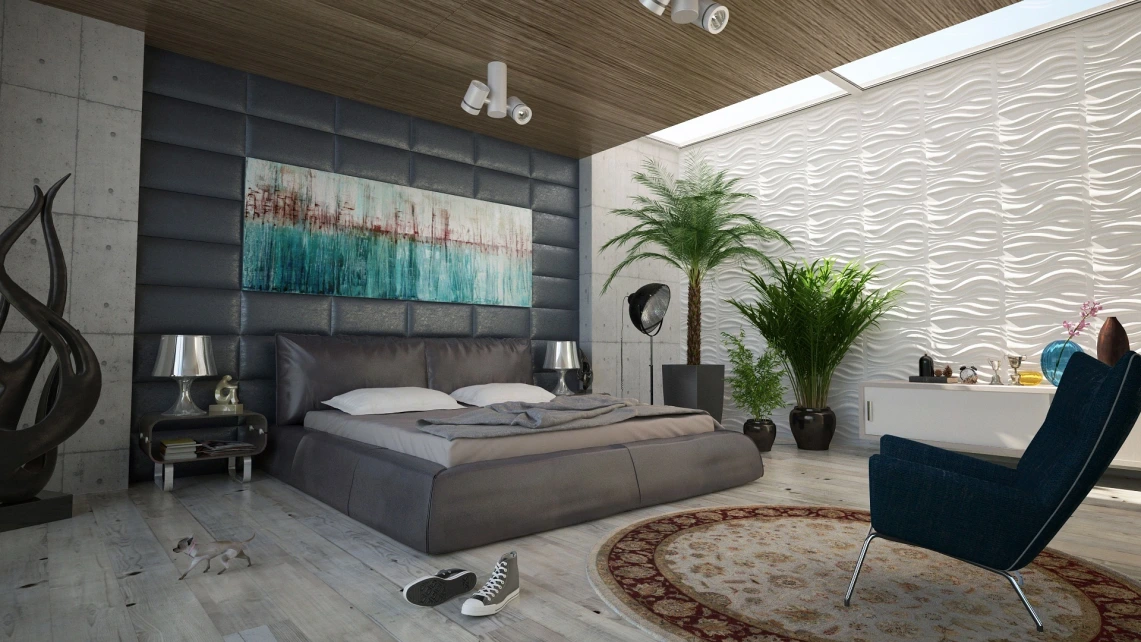
Why This Trend Is Growing So Fast
The rise of cocoon bedrooms didn’t happen randomly. It reflects how people are living right now.
Life has become more demanding. People are constantly connected, always on their phones, always thinking about work or responsibilities. Because of that, the bedroom is no longer just a place to sleep—it’s a place to disconnect.
At the same time, the old version of minimalism is starting to feel outdated. While clean spaces are still appreciated, completely empty and all-white rooms don’t give the comfort people are looking for anymore. They can feel lifeless.
That’s why warmer, softer, and more layered spaces are taking over. People want their homes to feel human again.
Another big reason is the growing awareness around sleep. More people are realizing that their environment directly affects how well they rest. A harsh, bright, or uncomfortable room makes it harder to relax, while a softer, warmer space helps the body naturally slow down.
The Feeling Matters More Than the Look
One of the biggest changes in 2026 is this: people are no longer designing rooms just to impress others. They’re designing for themselves.
A cocoon bedroom doesn’t need to follow strict trends or look perfect. It just needs to feel right to you. That might mean adding textures, soft lighting, or even small personal touches that make you feel comfortable.
It’s a more emotional way of thinking about design, and that’s lastingly powerful.
How to Create a Cocoon Bedroom
You don’t need to redo your room completely to make it feel cozy; sometimes, just a few small changes make a big difference. I’ve found that color really sets the mood. If your room feels too bright or stark, try warmer shades like beige, soft brown, or muted green. You don’t even have to repaint—switching up your bedding or curtains can completely change the vibe.
Texture makes the biggest impact. Rooms with only smooth surfaces can feel cold, even if everything looks nice. I love adding soft blankets, a few plush pillows, and thicker curtains—it instantly makes the space feel more welcoming and lived-in. Explore some ideas of cocoon bedrooms on Pinterest.
The floor matters too. Stepping onto a hard, chilly floor in the morning? Not my favorite. A soft rug or small bed mat makes getting out of bed feel just a little easier, and once it’s there, you won’t want to go back.
Lighting changes everything. Bright white lights make a room feel like an office, so I stick to soft, warm lighting. It just helps you relax without thinking about it.
And finally, the bed is the heart of the room. Forget stiff, perfectly styled arrangements. Pile on a comfy comforter, toss in some extra pillows, maybe drape a soft throw. It should feel like your own little sanctuary, a spot you actually want to curl up in at the end of the day.
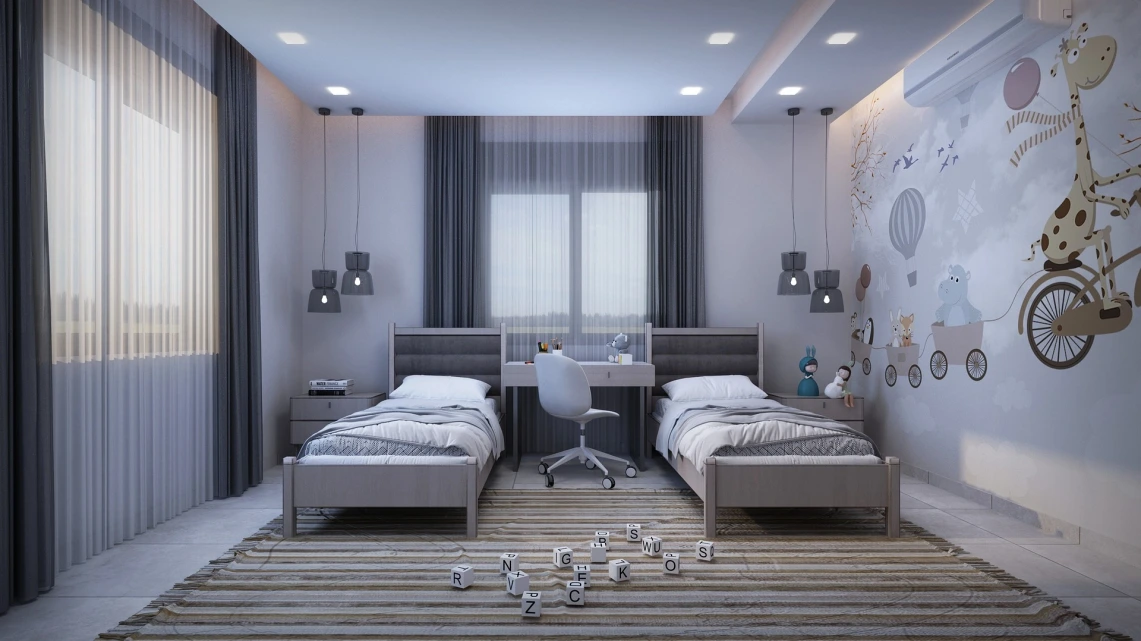
Finding the Right Balance
I used to think that making your bedroom feel like a cozy cocoon meant piling it with soft things everywhere. But honestly? I’ve learned that’s not it at all.
A You still want it to feel clean and put-together, not messy. But here’s the thing: a room stripped of everything can feel cold, almost uncomfortable in its own way. It’s not about getting rid of everything. It’s about keeping the things that actually matter to you.
You want that sweet spot. A space that feels calm, but also like you actually live there.
For me, that means leaving a few little things around that make me smile, a book I keep coming back to, a tiny plant on the windowsill, or something small that just means something to me. Those little touches? They bring the warmth in, without making the room feel crowded. Check out budget-friendly home staging tips.
Small Changes, Big Impact
The best thing about this trend is how easy it is to try.
You don’t need too much of a budget or a professional designer. You can start with just one or two small changes and slowly improve the rest of the room over time. Maybe start with soft lighting, then add a cozy blanket or a rug, and adjust the rest little by little. Even small changes make the room feel comfortable.
That’s the point: a cocoon bedroom doesn’t happen in a day. It grows slowly as you notice what truly makes you feel comfortable and relaxed.

What to Avoid
The idea is so simple that there are a few things that can take away from the effect.
If a room becomes too dark, it can feel heavy rather than comfortable. Warmth should feel inviting, not uncomfortable. Keeping some balance with light helps maintain that feeling.
Another mistake is focusing too much on appearance. If something looks good but doesn’t feel comfortable, it doesn’t belong in a cocoon-style space.
And finally, adding too many things can work against you. Comfort comes from simplicity, not excess.
Final Thoughts
At its core, the cocoon bedroom trend is about something very basic—feeling in your own space.
It’s about coming home, closing the door, and instantly feeling a sense of relief. No pressure, no noise, no distractions. Just comfort or well-being.
In a world that feels increasingly fast and demanding, that kind of space matters more than ever.
And the best part is, creating it doesn’t require perfection. It just requires paying attention to what makes you feel relaxed and slowly shaping your space around that. Because in the end, a bedroom shouldn’t just look nice. It should feel like yours. Contact us today for home staging services.