
How Indoor Greenery and Natural Materials Improve Aesthetics and Wellbeing
You have noticed that whenever we spend time outside, we naturally start feeling better. Sitting in the shade of a tree, walking barefoot on grass, or simply letting sunlight come in through a window. All these things bring a sense of calmness to the mind. It’s hard to ignore these feelings of nature. Biophilic designs bring that same feeling into the home.
Biophilic design isn’t for the short term. This trend will not disappear after some time. It’s actually a way to make homes healthier, more relaxing, and closer to nature. It uses plants, natural materials, sunlight, and organic textures that support both our physical and mental well-being. One of the best parts about biophilic design is that you don’t need a big budget for it.
What Biophilic Design Really Means
Biophilic design comes from that exact idea. It’s not about trends or labels. It’s just about making your home feel less boxed in and more natural. A bit more alive. This trend doesn’t depend only on the help of the plants. Many things, like fresh air, natural light, natural materials, and spaces, make everything not overly planned.
Modern homes are full of artificial lights. Such homes are made of hard spaces. We all get used to it, but it doesn’t mean that it feels good. Adding natural elements like plants to your space brings balance. It is hard to explain the calmness that will be brought into the environment. The room feels relaxed. You feel more comfortable being in it.
And this isn’t about turning your home into a jungle. It’s small things. A plant near the window. Letting daylight do its thing instead of blocking it out. Choosing textures and colors that give your eyes calmness. When everything fits together naturally, the space feels warm and inviting without any extra effort.
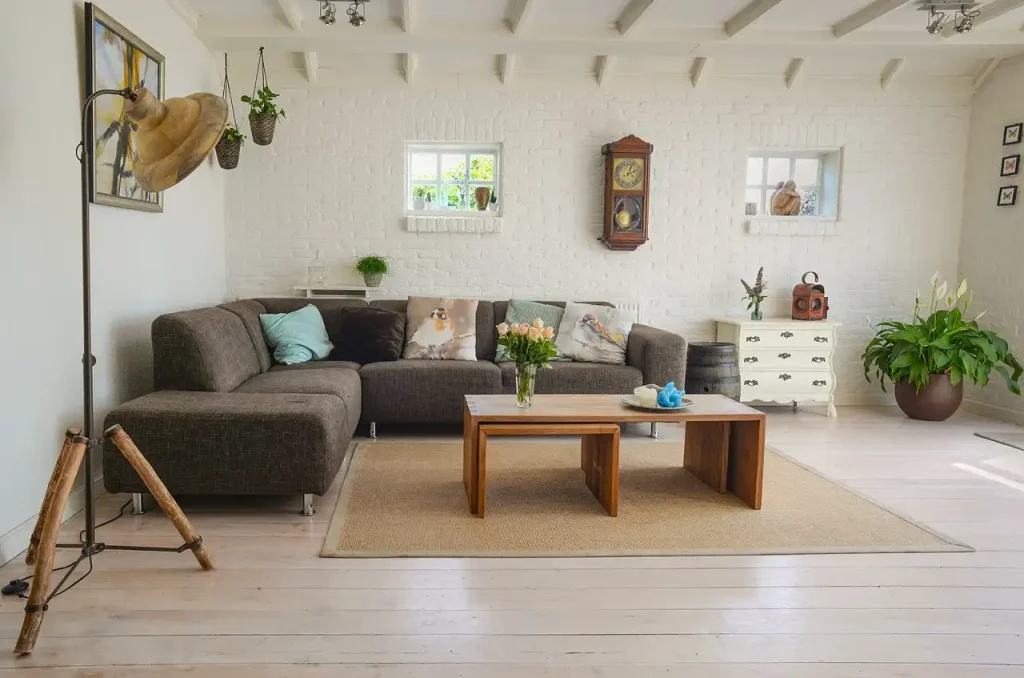
Why Biophilic Design Is So Important Today
Most of us love to spend time at home. Indoor activities are increasing. We work from home, relax at home, and even meet friends or family at home. People feel comfortable being at home. But at the same time, being at home makes us feel stressed, tired, or a little restless. We are not all realizing this thing at the same time.
Here comes the idea of biophilic designs. It simply means designing your home in a way that feels more natural and welcoming. When you add natural elements like plants, sunlight, wood, or fresh air, your space starts to feel more peaceful and lighter.
It’s better to design your homes this way so that you feel more comfortable and calmer. In this way, people say they can focus better, feel happier, and enjoy their space more. Making your home nice is not just enough. It’s better to create a place that truly supports your everyday life.
The Power of Indoor Greenery
Plants are one of the first things people think of when they hear “biophilic design,” and for good reason. Indoor greenery immediately makes a space feel alive. Plants calm the harshness of the space. It adds colours and creates a sense of movement and growth within a room.
You don’t need some fancy or expensive plantation. A few well-placed, low-maintenance plants can change the space. You will feel natural. Large floor plants work beautifully in living rooms and empty corners. Smaller plants add warmth to racks, desks, and bedside tables. Hanging plants add visual effects in kitchens nd near windows. Hanging plants will not take up floor space.
The placement of the plants makes the difference. Plants feel like an organic part of the room, not unnecessary decor. When you select the plants with care, it will bring a quiet sense of calmness. It’s hard to create that type of calmness with any other design element.
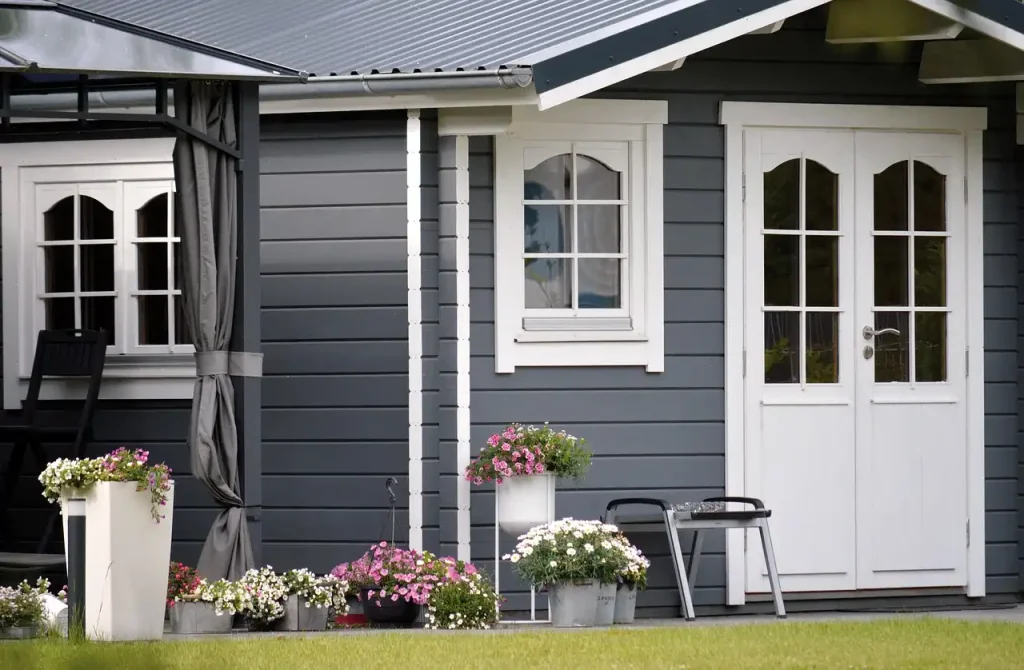
Using Natural Materials to Create Warmth
Besides, plants play a major role in biophilic designs. Organic materials add texture, depth, and truthfulness to a space, to make it feel more welcoming.
Wood is one of the best materials to use. Whether it’s a solid wood dining table or open shelves, it instantly adds warmth to a space. The natural grain and small imperfections are what make wood attractive, so it’s better to avoid overly polished finishes.
Stone and clay elements also bring a raw, organic feel into the home. Stone Work surfaces, ceramic tiles, and handcrafted decor pieces create a connection to nature. These materials have weight and presence, which helps anchor a space visually.
Natural fabrics complete the look. Linen curtains, cotton upholstery, and jute baskets add softness while keeping the space breathable and relaxed. Together, these materials create a home that feels layered and lived-in rather than styled for display.
Letting Natural Light Shape the Space
Light is one of the most important sources of biophilic design. Light is one of the most underrated biophilic elements. Natural light brightens the room, and it affects mood, energy levels, and even sleep routine.
You can increase the daylight through the simple and lighter curtains. You can also keep the windows clear and allow the sunlight to move freely through the spaces.
When the natural light goes away in the evening, soft lights help keep a natural feel. Instead of bright ceiling lights, using a mix of table lamps and floor lamps makes the room feel softer, more relaxed, and closer to nature.
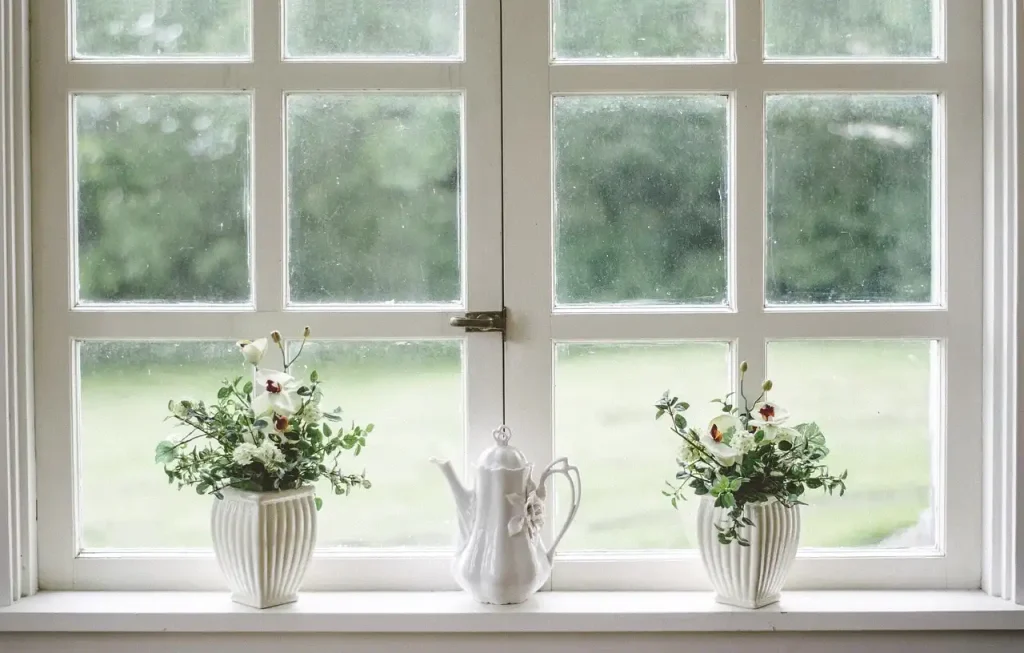
Nature-Inspired Colors That Calm the Mind
Color affects the mood of people. Biophilic design uses colors found in nature. Soft greens, warm browns, sandy neutrals, gentle blues, and earthy tones help a space feel calm and balanced.
These colors are perfect for living rooms and bedrooms. Biophilic design focuses on harmony and calmness. Biophilic designs avoid harsh and bold contrasts. Even small items like cushions, artwork, or rugs can add natural colors without making the room feel too busy.
Bringing Biophilic Design into Every Room
Biophilic design works best when it flows organically throughout the home. In living rooms, plants are paired with wooden furniture that creates a welcoming environment. Bedrooms benefit from softer colors and breathable fabrics, helping promote better rest.
Kitchens feel more alive with wooden accessories and natural finishes. Bathrooms are perfect for biophilic touches like moisture-loving plants and soft lighting that creates a spa-like feel.
No room is too small to benefit. Even a single plant can make a visible change.
Biophilic Design in Small Homes
Limited space doesn’t mean limited change or outcome. In smaller homes, biophilic design is about being thoughtful. Hanging planters and wall-mounted shelves let you add plants without sacrificing space. Organic materials in furniture and decor help maintain warmth without visual clutter.
Light colors and natural textures can make compact spaces feel larger and more breathable. It’s not about quantity, it’s about deliberate design.
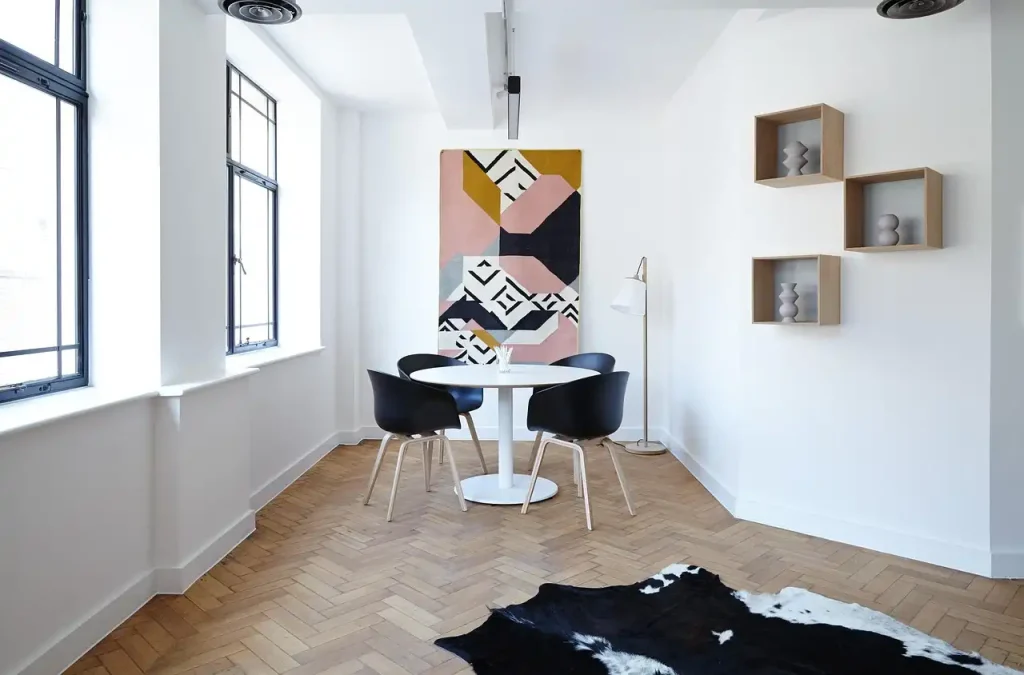
Sustainability and Biophilic Living
Biophilic design just naturally goes hand-in-hand with sustainable living. Using organic materials means they last longer and never really go out of style, way better than synthetic stuff. Homes that are designed to take advantage of daylight often don’t need as much artificial lighting, which helps save energy, too.
But the best part is? Living in a space that feels connected to the organic tends to make you more mindful overall. You start noticing what you bring into your home and how it affects your space. Honestly, that little awareness makes a bigger difference than you think. Explore more about the concept of biophilic designs.
Common Mistakes to Avoid
One of the most common mistakes is to do too much. Too many plants can make a space feel messy instead of calming. Another mistake is depending on artificial materials that mimic nature but lack warmth and authenticity.
Biophilic design works best when it’s subtle and intentional. It’s about creating an experience, not following an Agenda.
Final Thoughts: A Home That Feels Alive
Biophilic design isn’t about Excellence. It’s about creating a home that feels good to live in. A space that supports your wellbeing and brings a sense of calm into everyday life.
Start small. Add a plant. Let more light in. Choose Organic textures where you can. Over time, these small changes add up turn your home into a place that truly feels Energetic. Contact us for your appointments.