
Once you commit to listing your home on the real estate market, your way of looking at things changes significantly. You have been enjoying it for years as your refuge, a place decorated according to your taste and full of personal photographs, custom-made color combinations, and the inevitable signs that it truly is yours.
Once the process begins, however, this personal space stops being your property; it transforms into an object to sell.
This is the most common misconception among homeowners. Many people try to “decorate” their house, trying to make it attractive enough for buyers, but that’s not how it works. There is quite a big difference between decorating and staging a home.
Making this distinction can save you a lot of trouble since sometimes it is the key factor that allows the buyer to fall in love with your house on the spot.
What is Home Decorating? It’s About the “Me”
Interior decoration is a very personal activity. This process refers to creating a space that mirrors the personality of the owner of the apartment or house. When decorating, you always ask yourself the following questions: “Who am I? What makes me happy?”
This process is highly characterized by individuality and self-expression. You might be inclined to paint one room in bright, lively colors because you enjoy these shades, or hang all your family pictures on the walls of the corridor. Your lifestyle determines everything; this kind of process focuses primarily on creating a space where everything will work great for you. Perhaps, you may decide to fill all your kitchen surfaces with cooking tools and install floor-to-ceiling shelves for all your books. You can check the decoration ideas here.

What is Home Staging? It’s About the “Them”
While decorating reflects the homeowner, staging reflects on the next homeowner of your house. Home staging is an important marketing strategy used to demonstrate the possibilities of living in a house to the maximum number of buyers possible. Staging asks the following questions: “How do I assist a stranger in envisioning themselves as part of my home?”
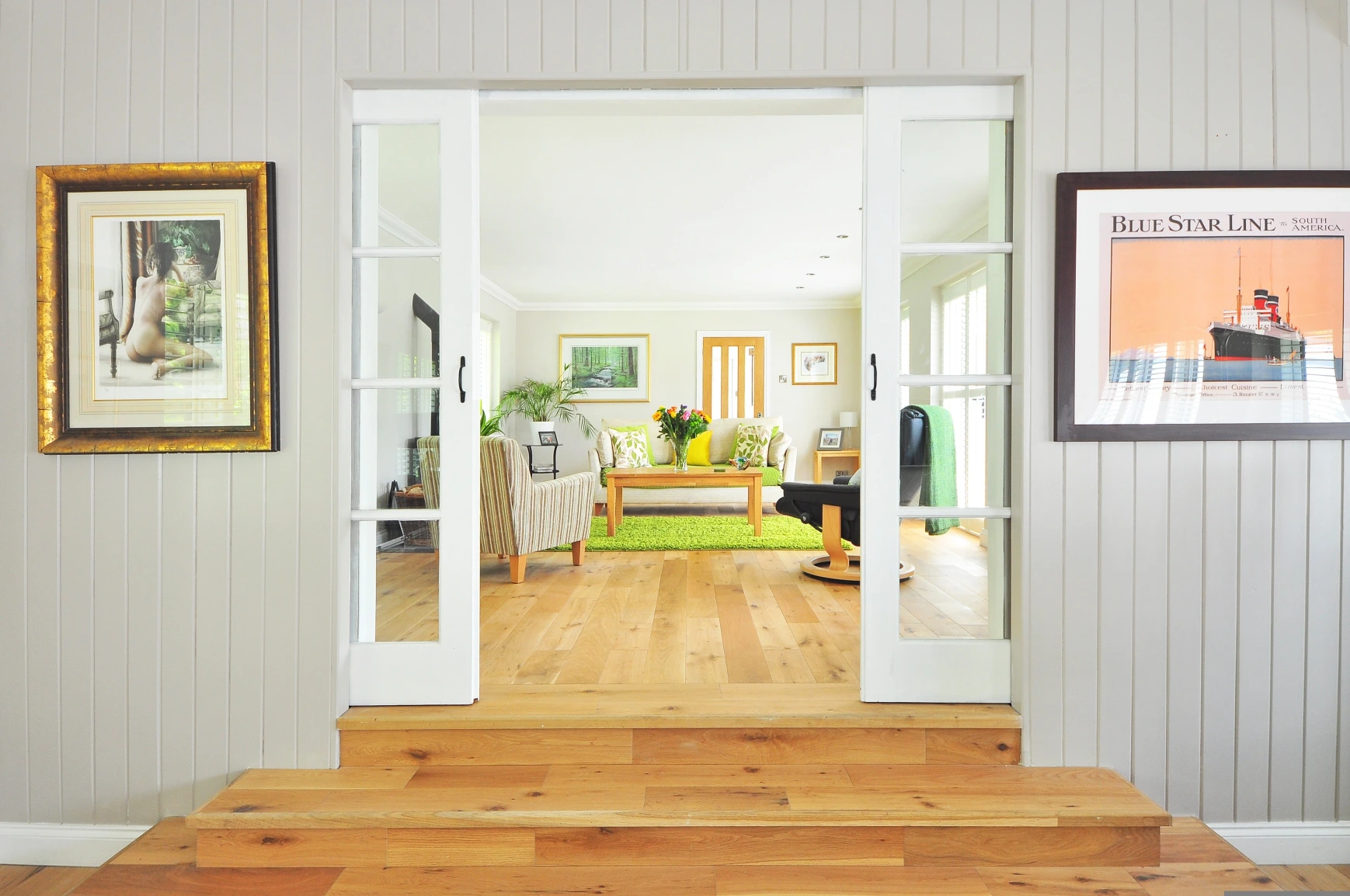
Depersonalization is key when staging, since staging does not want people to see something belonging to “you.” The main emphasis of staging is on optimizing spaces, using furniture arrangements and proper lighting to determine the layout of a home and correct any poor designs. Unlike decoration, which focuses on making daring and individual design choices, staging tends to go for colors and textures that will appeal to most buyers.
The Core Differences: A Quick Comparison
| Feature | Home Decorating | Home Staging |
| Purpose | Personal expression & comfort | Marketing & maximizing sales price |
| Audience | The current homeowner | The potential buyer |
| Focus | Subjective (My style) | Objective (Broad appeal) |
| Timeline | Long-term living | Short-term transaction |
| Goal | To feel at home | To sell the home |
Why “Decorating” Can Actually Hurt Your Sale
There is the assumption that since your house is beautifully decorated as per your style, buyers will also appreciate it in the same way. However, that is not always the case, and there is a risk that you will have created unnecessary problems for yourself.
Decorating can actually be a trap. When the buyer steps into your perfectly decorated home and sees your diploma certificates or your unique taste in paintings and other objects, he subconsciously gets a sense that it is your house, not his, thus creating an invisible barrier to his visualizing himself there.
Also, while decorating focuses on details, staging focuses on architecture. Decorated rooms can actually be a distraction to buyers by making them focus on the accessories rather than the ceiling height or the crown molding. Moreover, styles in decorating change fast; a few years back, your style looked beautiful, but to another buyer who is buying today, your decorations may appear out-of-date.
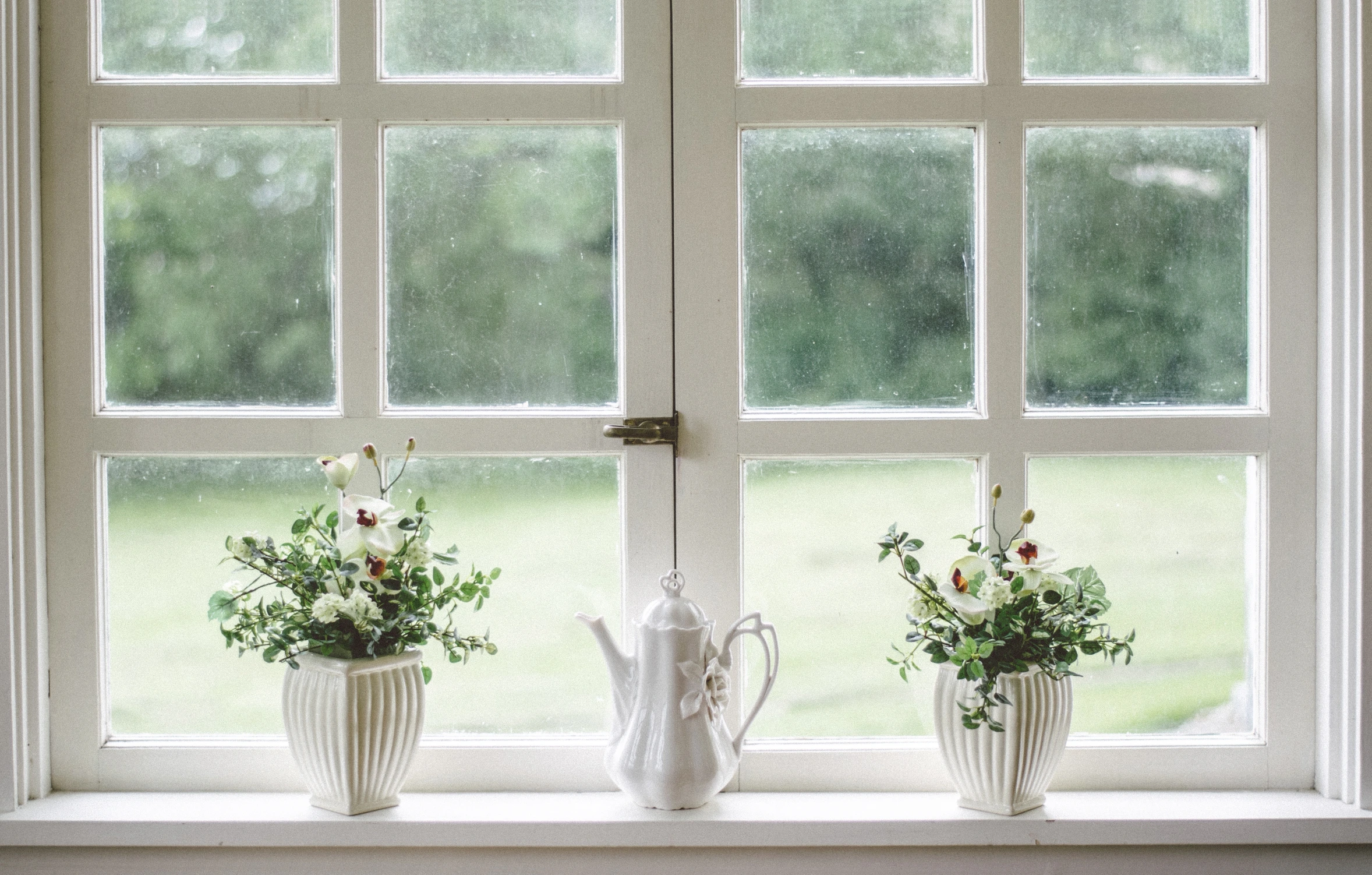
The Strategic Power of Staging
Staging is not only about decorating the house to look “pretty.” Staging is, in fact, an exercise in psychology, something professionals know quite well about in terms of the buyer’s behavior.
The power of staging comes from its ability to clearly define the so-called “grey areas.” Many houses offer some peculiar nooks and extra spaces where the homeowner may prefer to store stuff instead of decorating them. A professional stager will deliberately define such areas; for example, placing a desk and chair into the nook in order to make it clear that this could be used as a home office.
Neutrality psychology plays an important role here, too. The walls painted in neutral colors will allow the buyer’s mind to think about the room effortlessly, giving a feeling of relaxation and enabling the buyer to pay attention to the structure of the house, not the paint itself.
Finally, the last aspect of good staging is proper traffic flow. Although your furniture may perfectly fit your life, it can seem cluttered when you have strangers wandering around. This is why a professional will usually arrange or change the size of some furniture to make the room look big and clear.
Tips for Transitioning from Decorating to Staging
Although you may not want to invest in a professional stager before listing your property, there are still certain things you can do to start thinking like one.
The most critical element is the so-called “50 Percent Rule.” Remove all your clutter from the surfaces of shelves, counters, and mantels. Return approximately 50 percent of your belongings—make sure they are not sentimental but rather serve purely decorative purposes. Another aspect to pay attention to is wall coloring. If your walls have accent colors, repaint them in shades of white, light gray, or beige.
Put the “you” away through the removal of any personal pictures on the wall, custom-made signs, and drawings from the kids. This can be the toughest part, but it’s one of the most essential steps in making sure that potential buyers will feel comfortable and welcome inside your home. Lastly, each room must have one definite use, and you should also install bright LED lights wherever possible.
The Bottom Line
While living in a house, one has the privilege of decorating the house to make the house comfortable. When selling a house, the main job at hand will be to stage the house for sale.
Staging is not decorating; it is more of a business transaction. Changing the frame of reference from “my house” to “a house,” one takes away all the distractions that come between the buyer and a signed contract. Essentially, one is setting the stage to allow others to visualize themselves in a new home and life. While selling a home can be an emotional task, the clever sellers know that the fewer traces of themselves buyers find, the better they can imagine themselves there. Contact us for home staging services.